Exploring the Vibrant World of the Orange Typeface
There is a specific kind of energy that certain typefaces carry. It’s not just about the letters themselves, but the feeling they evoke when placed on a page or screen. When you encounter a font that manages to be both structured and exuberant, you pay attention. This particular typeface hits that sweet spot, offering a bold personality that can transform a standard design into something memorable. It’s a tool for creators who aren't afraid to let their typography do some of the talking.
A Closer Look at Its Character and Style
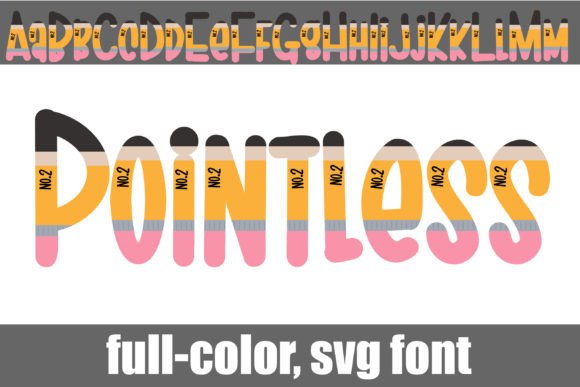
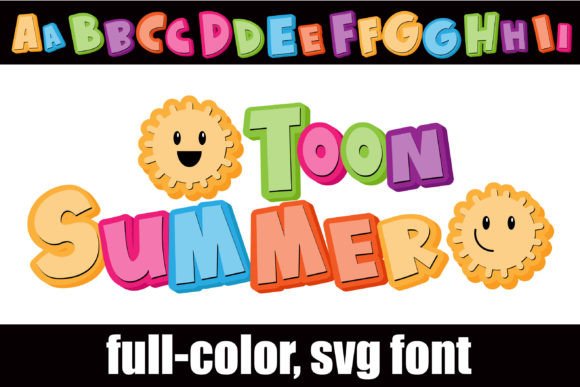
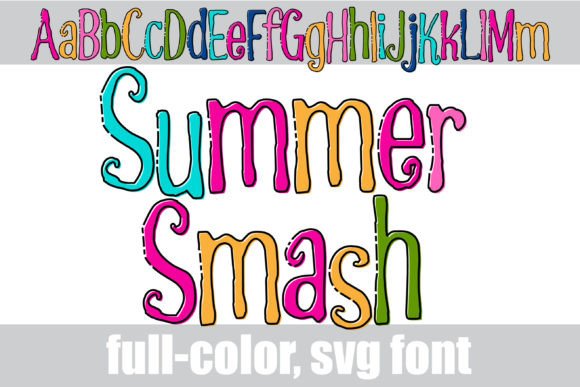
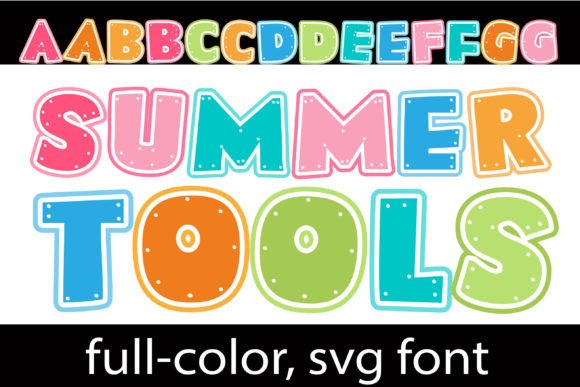
At its heart, this is a display font, meaning it’s designed to make an impact. It doesn’t shy away from the spotlight. The letterforms often feature a playful rhythm and a sense of movement. You might notice subtle curves that feel hand-drawn, or perhaps a consistent, rounded geometry that gives it a friendly, approachable aura. It sits in an interesting space—it has the structural integrity of a sans serif font but often incorporates details you’d associate with a script font or handwritten font. This blend is its superpower. It feels contemporary, aligning with modern typography trends that favor personality over stark minimalism, yet it retains a timeless appeal that prevents it from looking like a fleeting fad.
The visual weight of the characters is typically balanced, making it sturdy enough for headlines while retaining enough flair to stand out. It’s the kind of typeface that feels optimistic. When you look at it, you don’t think of corporate reports or dense legal text. Instead, you think of creativity, expression, and a certain zest. This makes it a fantastic creative font choice for projects that need to convey warmth, innovation, or a touch of whimsy without sacrificing legibility.
Where This Typeface Truly Shines
Understanding where to deploy a font is just as important as liking how it looks. Because of its distinct personality, this premium font is a powerhouse in specific scenarios. It excels in projects where you need to connect with an audience on an emotional level, making it a go-to for designers and entrepreneurs building a brand identity that feels human and relatable.
Creative and Commercial Applications
For logo design, this typeface offers a memorable foundation. A logo needs to be recognizable and reflect the brand’s voice. A playful, artistic serif font or sans serif with character like this one can instantly communicate that a brand is creative, fun, or approachable. Think of a boutique bakery, a children’s activity center, a design studio, or a lifestyle blog. The font does the heavy lifting of establishing that initial impression.
In packaging design, shelf appeal is everything. A product has seconds to catch a consumer’s eye. Using this font for product names or taglines can make packaging pop. It works beautifully for artisan goods, organic products, or anything targeting a demographic that values aesthetics and personality. Similarly, in editorial design, such as magazine covers or feature headlines, it can break the monotony of standard text, drawing readers into a story with a promise of engaging content.
The digital realm is another natural habitat. For web design, using it for hero section headlines or call-to-action buttons can guide the user’s eye and inject personality into an otherwise standard layout. On social media graphics, where grabbing attention in a fast-scrolling feed is crucial, this font helps create posts that stand out. It’s perfect for quotes, announcements, or promotional graphics that need to feel vibrant and shareable.
Beyond the Commercial: Personal and Artistic Projects
This isn’t just a commercial font for businesses. Its charm makes it a beloved design asset for personal projects. Crafters use it for custom invitations, greeting cards, and party decorations. It’s the kind of font that makes a birthday card feel more personal than one bought from a store. Publishers, especially those in the children’s book market, find it invaluable. It aligns perfectly with the need for fonts that are whimsical, colorful, and easy to read, creating an engaging reading experience for young audiences. It can turn a simple poster into a piece of art, making it a staple for hobbyists and artists exploring typography.
Making It Work: Practical Guidance for Your Projects
Falling in love with a font is easy. Using it effectively requires a bit of strategy. Here’s how to integrate this typeface into your work with confidence.
Evaluating Fit and Pairing
First, ask if the font’s personality matches your project’s goals. It’s a poor fit for a law firm’s website but a perfect match for a yoga studio’s branding. Once you’ve confirmed the fit, the next step is font pairing. Because this font has such a strong character, it often works best as the headline or accent font. Pair it with a clean, neutral sans serif font for body text. This creates a clear visual hierarchy: the display font captures attention, and the simpler font ensures the supporting text is effortlessly readable. Avoid pairing it with another highly stylized font, as they will compete for attention and create visual chaos.
Testing for Readability and Hierarchy
Never assume a font is legible without testing it in context. Check its readability at various sizes, especially on mobile devices. A font that looks great at 72pt on your monitor might become a muddy blob at 14pt on a phone screen. Use it to establish visual hierarchy—make your main headlines large and impactful, subheadings slightly smaller, and body text in a complementary, simpler typeface. This structured approach ensures your message is communicated clearly while maintaining a polished, professional look.
Understanding Licensing and Styles
Before you finalize a design, always review the font’s licensing. If it’s for a client’s logo, a product you’ll sell, or a website, you typically need a commercial license. Check what the license covers. Does it include web embedding? How many users or computers can install it? Reputable font foundries are clear about this. Also, explore all the font styles included in the package. Does it have bold, italic, or condensed versions? Having these variations gives you more flexibility to create nuanced designs and maintain consistency across different applications, from a thick, bold headline to a lighter, elegant subheading.
Choosing a typeface is a fundamental design decision. It sets the tone before a single word is read. This particular font offers a wonderful toolkit for injecting life, warmth, and creativity into your projects. By understanding its personality and applying it thoughtfully, you can leverage its strength to build stronger connections with your audience, whether you’re crafting a brand, publishing a story, or designing a personal keepsake. It’s more than just letters; it’s a voice waiting to be heard.