Spooky: The Playfully Creepy Typeface for Bold Branding
There’s a specific energy that comes with the Halloween season—a blend of mischief, nostalgia, and playful terror. Capturing that vibe in a design project often relies heavily on the typography you choose. If you’ve been searching for a typeface that balances eerie vibes with legibility, Spooky might be the creative asset you’re missing. It isn’t just a novelty font; it is a stylized display typeface designed to inject personality into projects ranging from seasonal marketing campaigns to year-round branding for edgier businesses.
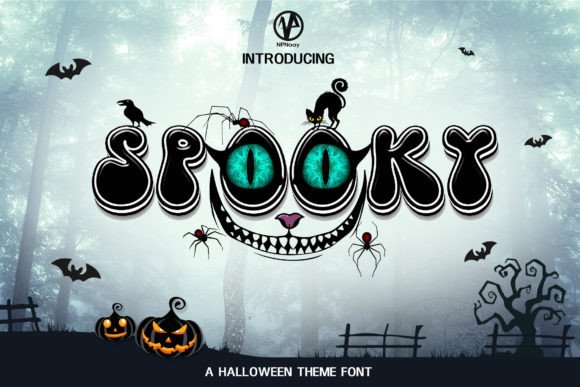
Visually, Spooky falls into the category of a creative font that leans heavily into thematic styling without sacrificing structure. It features irregular baselines and slightly distorted letterforms that mimic the look of something written on a foggy window or carved into a pumpkin. However, unlike many decorative fonts that become illegible at smaller sizes, Spooky maintains a solid visual hierarchy. It works exceptionally well as a serif font alternative for headers where you want to grab attention immediately. The strokes have enough weight to stand out against complex backgrounds, making it a reliable choice for overlaying text on photography or illustrated textures.
The Psychology of a "Creepy" Typeface
When we talk about brand perception, the font you select acts as a silent ambassador for your message. Using a typeface like Spooky signals to your audience that you don’t take yourself too seriously, but you do care about the details. For a small business owner running a haunted attraction or a blogger focusing on true crime, this font instantly sets the mood. It creates an atmosphere of suspense and curiosity before the reader even processes the words. This is the power of modern typography; it communicates emotion through shape alone.
Consider the difference between a standard sans serif font and a thematic option like Spooky. A sans serif feels clean, corporate, and neutral. Spooky, conversely, feels tactile and human. It suggests a hand-crafted quality that resonates with audiences looking for authenticity. This makes it an excellent choice for entrepreneurs in the handmade goods market. If you are selling artisanal candles, horror-themed merchandise, or even running a niche podcast, using a font with this much character helps build a distinct brand identity that separates you from the generic corporate noise.
Practical Applications: Beyond the Halloween Party
While the name suggests October-only usage, the utility of a premium font like this extends much further. Think about the "Cheshire Cat" aesthetic mentioned in its description. This implies a sense of whimsy and surrealism that works well in editorial design and publishing. Imagine a book cover for a young adult fantasy novel or a magazine spread about underground music scenes. Spooky provides the right amount of edge to make the layout feel dynamic and engaging without looking like a costume.
Here are a few practical scenarios where this typeface shines:
- Packaging Design: For a craft brewery releasing a seasonal stout or a bakery specializing in monster-themed cookies, Spooky adds value to the shelf presence. It communicates the product's flavor profile—fun, intense, and memorable.
- Social Media Graphics: In the fast-paced world of Instagram and TikTok, you have milliseconds to stop a scroll. A bold display font like this creates immediate visual interest. It is perfect for announcing sales, events, or just sharing a witty quote.
- Logo Design: If your brand identity relies on a retro-horror or alternative aesthetic, this font can serve as a strong logomark foundation. It is distinct enough to be recognizable but legible enough to function as a wordmark.
- Web Design: While you wouldn't use it for body copy, it serves as an impactful hero text option for landing pages. Pairing it with a clean, geometric sans serif font for the subheadings creates a beautiful contrast that guides the user’s eye.
Mastering Font Pairing and Hierarchy
One of the most common mistakes designers make with decorative fonts is isolation or poor pairing. Because Spooky has such a strong personality, it needs a partner that can play a supporting role. You generally want to avoid pairing it with another expressive script font or a handwritten font, as this will create visual chaos. Instead, look for a neutral sans serif or a simple serif font with clean lines.
For example, pairing Spooky with a font like Helvetica, Open Sans, or even a classic serif like Garamond creates a "high-low" contrast. The display font handles the emotional heavy lifting—the "vibe"—while the secondary font handles the data and details. This approach ensures your design remains professional. You want the audience to read your message, not struggle to decipher the letters. Testing your font pairing on different devices is also crucial. A font that looks great on a desktop monitor might render differently on a mobile screen, so always check your responsive design settings.
Technical Considerations and Commercial Use
As a designer or business owner, the technical specifications of a font are just as important as its look. When working with a premium font like Spooky, you need to review the licensing terms carefully. Most commercial fonts require a specific license if you are using them for client work, merchandise, or software embedding. Ensure you have the correct license type to avoid legal headaches down the road.
Furthermore, look at the character set included with the font family. A high-quality creative font often includes alternates, ligatures, and numerals. These extra glyphs allow you to customize the typography further, ensuring that repeated letters don't look identical, which adds to the organic, hand-crafted feel. Check if the font includes multilingual support if you are targeting an international audience.
Readability is the final checkpoint. While Spooky is designed to be legible, context matters. Avoid using it for long paragraphs of body text. Display fonts are meant for impact, not for reading lengthy articles. Use it for H1 tags, pull quotes, and call-to-action buttons. For the bulk of your content, stick to a highly readable body copy typeface. This balance ensures your design is accessible to everyone, including those with visual impairments, while still maintaining the spooky, atmospheric flair you want to achieve.
Ultimately, Spooky is a tool for expression. It allows designers, marketers, and creators to tap into a specific cultural moment—the thrill of the scare and the fun of the costume. By applying it thoughtfully, you can elevate a standard layout into something that feels alive, engaging, and perfectly suited for the season—or any time you want to add a little mystery to your visual storytelling.